
That Loud Garage Door Might Be Trying to Tell You Something
If your garage door has started sounding like a freight train every time you open or close it, you're not alone. Noisy garage doors are one of the most common complaints we hear from homeowners in Murfreesboro, and for good reason — a loud door can wake up sleeping kids, annoy neighbors, and make you dread pulling into your own driveway.
But here's the thing: a noisy garage door isn't just an inconvenience. In many cases, the sounds your door makes are early warning signs of mechanical issues that could lead to bigger, more expensive problems down the road. The good news is that most causes of garage door noise are fixable, and some you can even address yourself.
Let's walk through the most common reasons your garage door is making a racket and what you can do about each one.
1. Worn or Dry Rollers
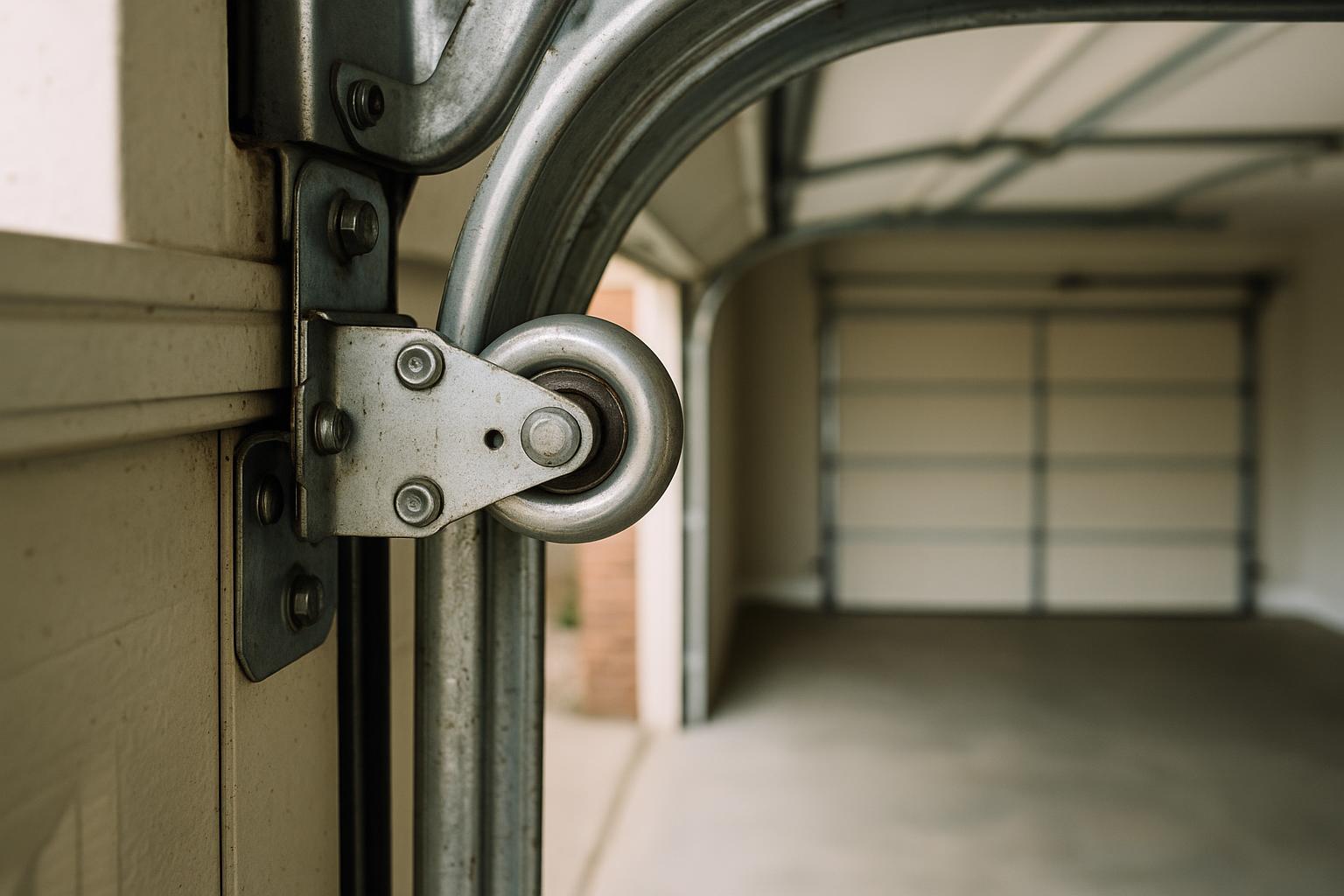
This is the number one culprit behind noisy garage doors. The rollers are the small wheels that guide your door along the metal tracks on either side. Over time, these rollers wear down, and if they're metal-on-metal, they can produce a grinding or squealing noise that echoes through your entire home.
The fix: If your door uses standard steel rollers, consider upgrading to nylon rollers. Nylon rollers are significantly quieter and don't require as much lubrication. If your existing rollers are simply dry, applying a garage door-specific lubricant can make a noticeable difference. However, if the rollers are visibly cracked, chipped, or wobbling in the track, it's time for a replacement.
2. Loose Hardware
Your garage door goes up and down hundreds of times a year. All that movement creates vibration, and vibration loosens nuts, bolts, and brackets over time. When hardware gets loose, you'll typically hear a rattling or shaking sound during operation.
The fix: Grab a socket wrench and carefully tighten all the bolts and screws along the door's tracks, hinges, and mounting brackets. Be careful not to overtighten — you just want them snug. This is a simple maintenance step that Murfreesboro homeowners can do themselves a couple of times a year to keep things running smoothly.
3. Unlubricated Moving Parts
Garage doors have a lot of moving parts — springs, hinges, rollers, bearings, and the opener chain or screw drive. When these components aren't properly lubricated, metal rubs against metal, creating squeaking, grinding, and screeching sounds.
The fix: Use a lithium-based grease or a silicone-based garage door lubricant on all moving parts. Avoid using WD-40 as your primary lubricant — while it's great for loosening stuck parts, it's not a long-term lubricant and can actually attract dust and grime. Focus on the springs, hinges, roller bearings, and the opener's rail or chain. We recommend lubricating your garage door every six months, especially before and after Tennessee's humid summer months.
4. Worn or Broken Torsion Springs
If you hear a loud banging, popping, or snapping sound, your torsion springs may be the problem. Torsion springs bear the full weight of your garage door, and when they start to wear out, they can produce alarming noises. A broken spring will often make a single loud bang — almost like a gunshot — that homeowners sometimes mistake for something falling in the garage.
The fix: Spring repair and replacement is not a DIY job. Torsion springs are under extreme tension and can cause serious injury if handled incorrectly. If you suspect a spring issue, call a professional right away. At Murfreesboro Garage Door, we handle spring replacements regularly and can typically get your door back in working order the same day.
5. An Aging or Misaligned Opener
The type of garage door opener you have plays a big role in how much noise your door makes. Older chain-drive openers are notorious for being loud. If your opener is more than 15 years old, the noise level may have gradually increased as internal gears and components have worn down.
Misalignment between the opener and the door can also cause excessive vibration and noise. You might notice the door jerking or hesitating during operation, which puts additional strain on the entire system.
The fix: If your chain-drive opener is aging and the noise is becoming unbearable, upgrading to a belt-drive opener is one of the best investments you can make. Belt-drive openers are dramatically quieter and are ideal for homes where the garage is attached to living spaces. If the opener itself is still in decent shape, a professional can check the alignment and make adjustments to reduce vibration.
6. Bent or Damaged Tracks
The metal tracks that guide your garage door need to be properly aligned and free of dents or bends. Even a small dent in a track can cause the rollers to bump and grind as they pass over the damaged area, creating a repetitive banging or clicking noise.
The fix: Visually inspect your tracks for any obvious dents, bends, or gaps. Minor issues can sometimes be corrected with careful adjustment, but significantly damaged tracks should be replaced by a professional. Forcing a door to operate on bent tracks can lead to the door jumping off the track entirely, which is both a safety hazard and an expensive repair.
7. Vibration Transferring to the Ceiling or Walls
Sometimes the garage door and opener are functioning fine, but the vibration from normal operation is transferring into your home's structure. This is especially common in homes throughout the Murfreesboro area where the garage is directly below a bedroom or living area.
The fix: Anti-vibration pads or isolation kits can be installed between the opener and the ceiling mount to absorb vibration before it reaches your home's framing. This is a relatively inexpensive upgrade that can make a dramatic difference in how much noise you hear inside the house.
When to Call a Professional
While some of these fixes are straightforward enough for a handy homeowner, others require professional expertise and specialized tools. Here's a quick guide:
- DIY-friendly: Lubricating moving parts, tightening loose hardware, visual track inspection
- Call a pro: Spring replacement, track repair or replacement, opener installation, roller replacement (especially on high-tension doors)
If your garage door has been getting progressively louder, or if you've noticed any jerking, hesitation, or uneven movement along with the noise, it's worth having a professional take a look. Small problems caught early are almost always cheaper to fix than big problems that have been ignored.
Keep Your Garage Door Running Quietly
A noisy garage door doesn't have to be something you just live with. Whether it's a simple lubrication issue or a sign of something more serious, addressing the noise now can save you money, extend the life of your door, and restore peace and quiet to your home.
If you're in Murfreesboro, Smyrna, La Vergne, or the surrounding areas and your garage door is making sounds it shouldn't, give Murfreesboro Garage Door a call. We'll diagnose the problem, give you honest pricing, and get your door operating smoothly and quietly again.